


- Researchers tested whether tourism or ecological conditions better shaped stress related hormone responses in wildlife.
- Ecological conditions shaped stress-related hormone responses more strongly than tourism pressure in four common African mammals.
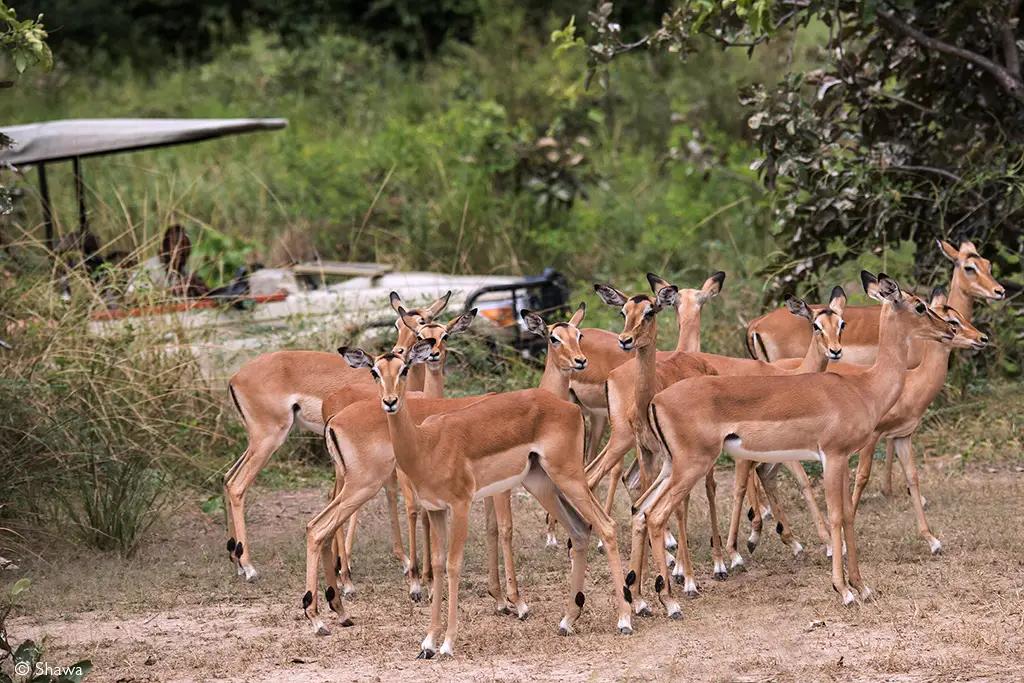
- Impala showed higher stress-related hormone levels on dry-season weekends with increased tourism activity.
- Blue wildebeest showed higher wet-season levels linked to reproductive and social demands.
- Giraffe responses were unaffected by tourism, while females showed higher hormone levels.
 Who you travel with matters. Choose a responsible safari operator that supports conservation, communities and lower-impact tourism. Explore our safari ideas here, or let our experts plan your African safari.
Wildlife tourism depends on animals remaining visible, accessible and healthy. But human presence can also alter animal behaviour and physiology, raising concerns about whether tourism itself becomes a source of wildlife stress.
A new study from Somabula Nature Reserve in Gauteng, South Africa, examined this problem in four common safari species: impala, plains zebra, blue wildebeest and giraffe. Rather than finding a simple relationship between tourist numbers and physiological stress, the researchers found that ecological conditions such as season, food availability and reproduction generally contributed to stress. Tourism appeared to matter most when it coincided with existing ecological pressure and stress on wildlife, particularly for impala.
What does physiological stress mean for wildlife, and tourism?
When an animal perceives a challenge to its normal internal state, its body activates a physiological response involving the hypothalamic-pituitary-adrenal axis. This results in the release of glucocorticoid hormones, which help mobilise energy and support short-term responses to demanding situations.
Importantly, increased glucocorticoids do not automatically mean that an animal is experiencing harmful stress. Hormone levels can also rise during normal and necessary activities such as mating, social interactions or exploration. The researchers therefore describe the measurements in this study as a “stress-related endocrine response”, rather than a direct measure of chronic stress in wildlife.
Prolonged activation of these physiological systems can, however, have negative consequences, including reduced reproductive function, impaired immunity, muscle loss and poorer body condition. Understanding when and why stress-related hormone levels change therefore has implications for animal welfare and, potentially, conservation.
Measuring hormones without disturbing animals
The researchers monitored faecal glucocorticoid metabolites, or fGCMs. These are breakdown products of glucocorticoid hormones that can be measured in faeces. Faecal sampling allows researchers to assess endocrine activity without capturing, restraining or directly interfering with animals. It also provides an integrated measure of hormone activity over time rather than a single momentary reading.
The study was carried out at the approximately 400-hectare fenced Somabula Nature Reserve. The reserve has no large predators or other dangerous game, allowing visitors to walk, hike, cycle and self-drive across more than 30km of roads and 12km of trails.
Researchers collected 533 fresh faecal samples from the four study species during a dry-season sampling period in July and August 2022 and a wet-season period between January and April 2023. They compared fGCM concentrations between seasons, sexes and periods of lower weekday tourism and higher weekend tourism.
Visitor numbers were higher during the dry-season study period. Weekday attendance ranged from zero to 12 visitors per day, compared with 13–48 visitors per day over weekends. During the wet-season sampling period, weekday numbers ranged from zero to six, while weekend attendance ranged from 10–32 visitors per day.
Season mattered more than tourism for wildlife stress levels
Three of the four species showed significant seasonal changes.
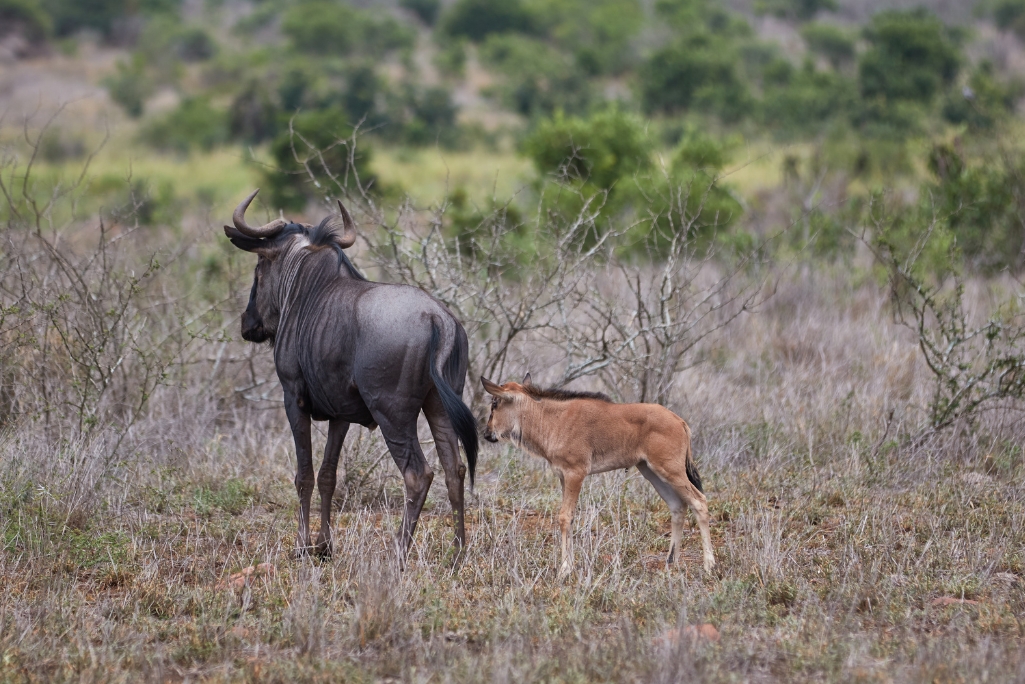
Blue wildebeest had approximately 31% higher mean fGCM concentrations during the wet season. The researchers suggest that this was linked to reproductive and social processes. The wet-season sampling period overlapped with a reproductive phase associated with calving, maternal investment and social restructuring after breeding.
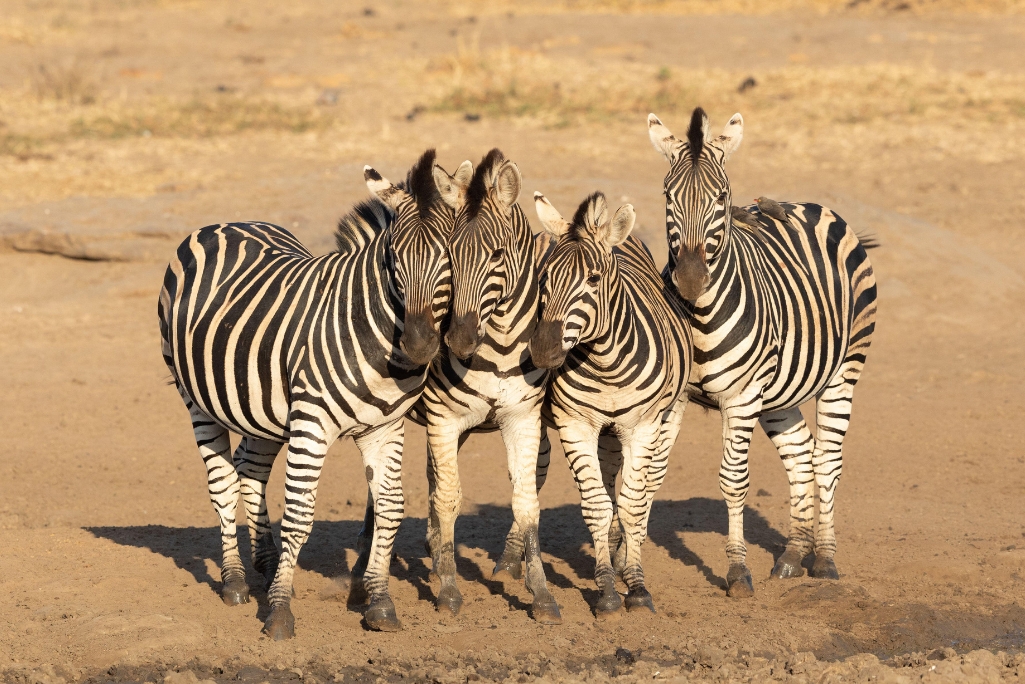
Impala and zebra showed the opposite pattern. Mean fGCM concentrations were approximately 93% higher in impala and 24% higher in zebra during the dry season. The researchers link this to deteriorating forage conditions and increased competition around limited resources such as water. In a fenced reserve, animals may also have fewer opportunities to disperse when conditions become difficult.
Giraffe showed no significant seasonal response. Instead, sex was the only significant predictor of fGCM concentrations, with females averaging around 53% higher levels than males. Two of the five females sampled were visibly pregnant and later gave birth, suggesting that pregnancy-related endocrine changes contributed to the difference.
Impala were more sensitive to busy weekends
Tourist activity had a significant effect in only one species.
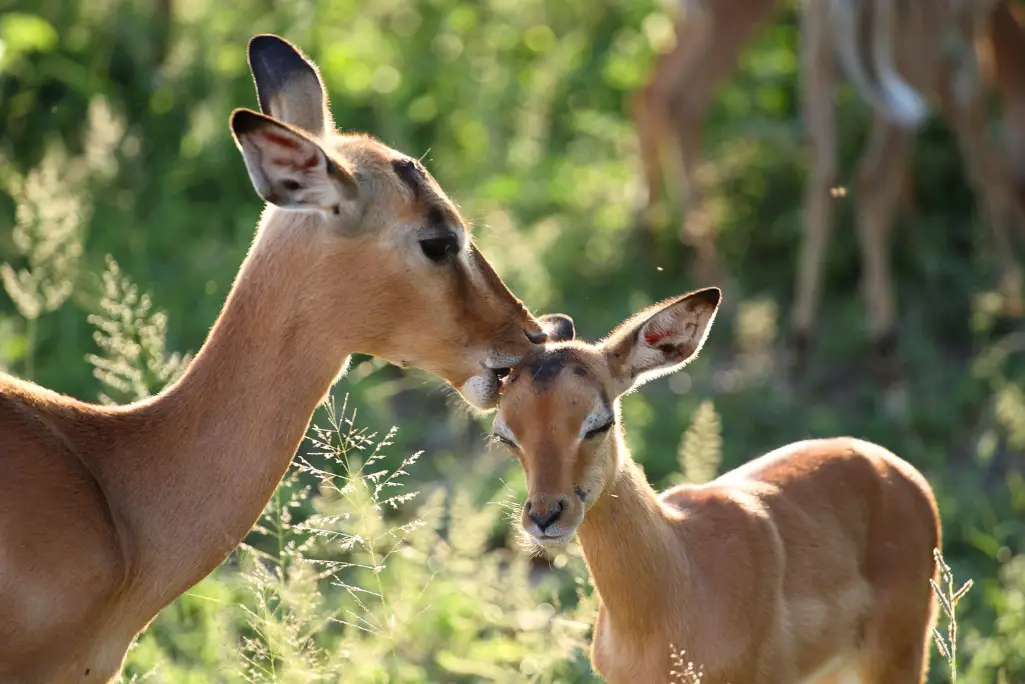
During the dry season, impala fGCM levels were approximately 57% higher over weekends than on weekdays. No equivalent weekend effect was detected during the wet season, and blue wildebeest, zebra and giraffe showed no significant changes associated with time of week.
The researchers interpret this as evidence that tourism and ecological pressure may interact. Dry-season impala were already experiencing conditions associated with reduced forage and greater competition. Higher weekend visitor numbers may then have added another physiological challenge.
This does not mean tourism was proven to be the direct cause. The study measured visitor numbers but did not record tourists’ specific activities or their proximity to individual animals. It could therefore not determine whether hiking, cycling, camping or vehicle use produced particular responses.
What this means for wildlife tourism
The study shows why wildlife responses to tourism cannot be assessed in isolation from ecological conditions. At Somabula, seasonal and reproductive factors were the dominant influences on stress-related endocrine activity in most species, while evidence for a sustained tourism effect was limited largely to impala.
The management implication is that tourism pressure may require particular attention when animals are already facing challenging environmental conditions. The authors suggest that, for impala, reducing dry-season tourist activity or providing areas with minimal human disturbance could help limit the combined effects of ecological and tourism-related pressures. More broadly, the findings support species-specific and context-dependent tourism management rather than assuming that all wildlife responds to visitors in the same way.
For travellers, the findings reinforce the value of thoughtful safari planning. Visiting outside peak periods, choosing destinations that manage visitor numbers carefully, and allowing wildlife space during ecologically demanding seasons can all help reduce additional pressure.
Reference
Crossey B, Pienaar EF & Ganswindt A. 2026. Ecological factors rather than tourism pressure primarily affect the stress-related endocrine response of four ubiquitous mammal species in a small South African reserve. African Zoology 61(2): 99–109. https://doi.org/10.1080/15627020.2026.2618835
Further reading
- Research finds density of tourist camps impacts lion densities in the Maasai Mara, showing how tourism planning directly affects conservation. Read about how tourist camps are reshaping Mara strongholds here
- Sustainable safaris: Can tourism truly protect nature? Tourism funds conservation, yet unmanaged growth risks overtourism. Can mindful safaris sustain Africa’s wildlife and people?
- Why lodge choice matters: Study finds Serengeti impalas are more stressed near higher-occupancy facilities, showing tourism infrastructure affects wildlife behaviour. Find out how large infrastructure in Serengeti stresses out impalas
To comment on this story: Login (or sign up) to our app here - it's a troll-free safe place 🙂.